
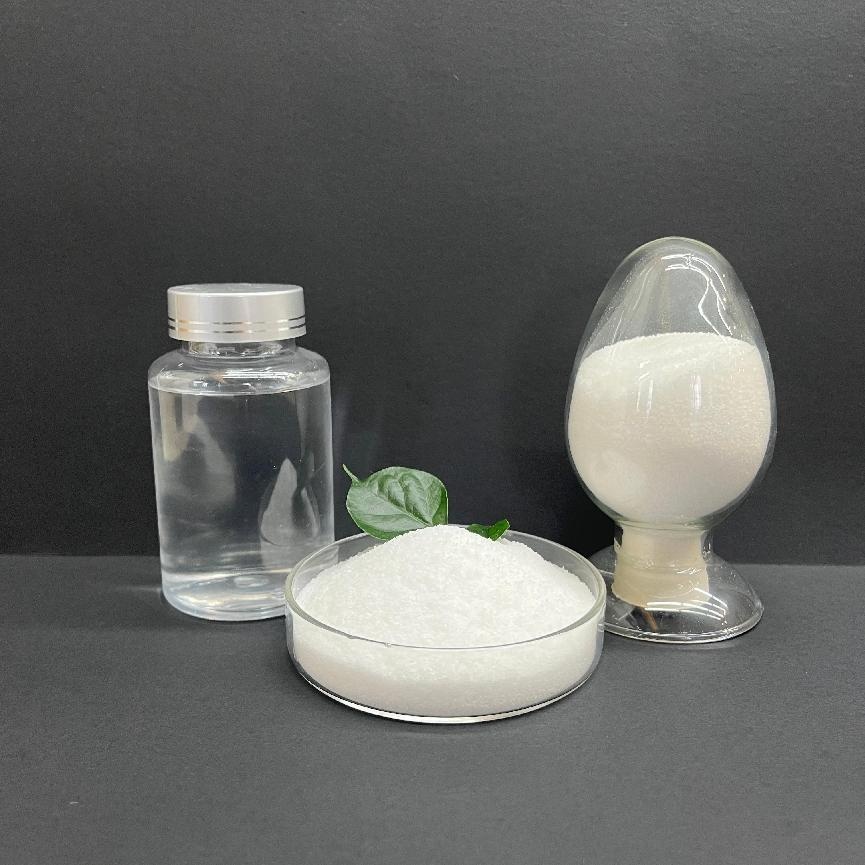
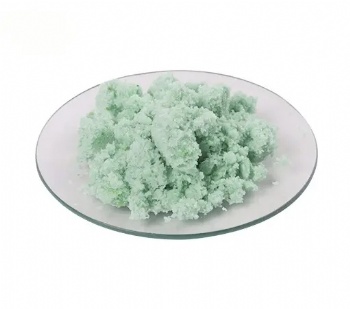
Cationic Polyacrylamide (CPAM) is an efficient flocculant for municipal sewage, papermaking, textile, leather, and food industry wastewater, offering excellent dewatering and clarification performance.
Application Field:
Cationic Polyacrylamide (PAM) is a versatile water-soluble polymer widely used in various industries due to its excellent flocculation and coagulation properties. It is particularly effective in treating wastewater with high organic content and plays a vital role in improving water quality and process efficiency.
In wastewater treatment plants, PAM is commonly used for sludge dewatering, reducing sludge volume and making it easier to dispose of. Its strong positive charge helps bind negatively charged particles, enhancing solid-liquid separation and increasing filtration efficiency.
The paper and pulp industry benefits from PAM's ability to improve retention and drainage. It ensures efficient recovery of fibers and fillers, leading to cost savings and better paper quality.
In the textile and dyeing industry, PAM is used to treat effluents containing dyes and organic impurities. It aids in reducing the environmental impact by removing suspended solids and minimizing chemical oxygen demand (COD).
The oil and gas industry employs PAM in applications like enhanced oil recovery and treating drilling muds. It improves viscosity and stabilizes drilling operations while managing produced water effectively.
Additionally, PAM finds applications in food processing, pharmaceutical production, and agriculture, highlighting its versatility as a key chemical in sustainable and efficient operations across diverse sectors.
Usage Method:
The solid cationic polyacrylamide is dissolved in clear water in the proportion of 0.1%-0.3% to make a solution, stirring time within 30-60 minutes to ensure that the polymer is completely dissolved.
After the dissolution, a small test is carried out according to the water quality, and a large amount is added.
Storage: Store solid polymers in a cool, dry place away from direct sunlight. For best results, the prepared solution should be applied within 24 hours.
Matters needing attention
Safety precautions: Handle this product with care, as it may slip when wet.
Use protective gloves and goggles during preparation and use.
Avoid direct contact with strong acids and alkali.
FRIENDLY LINKS





LiveChatX




 Send Email
 WhatsApp